
Blog ·
What we took from YOLO Vision 25
We attended YOLO Vision 25 to explore how fast, power-efficient computer vision can be put to work on real industrial problems, from quality control to connected systems.
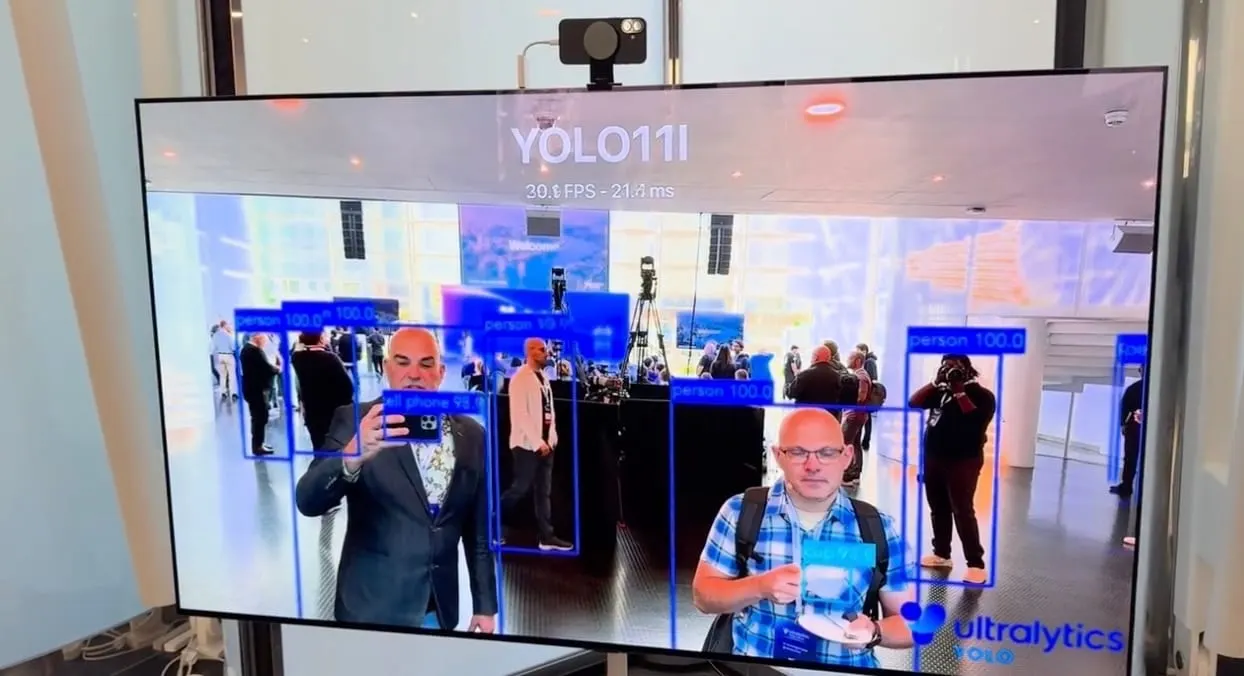
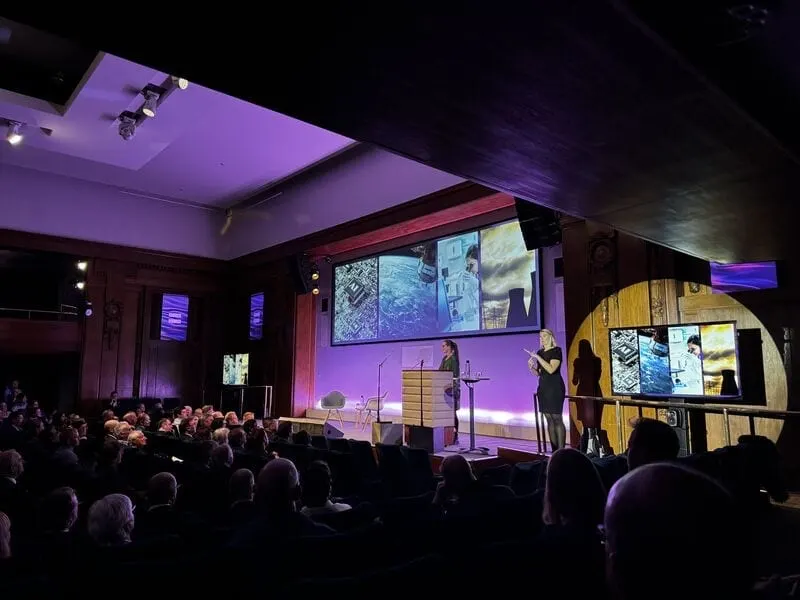
On Thursday 25 September 2025, we attended YOLO Vision 25, hosted by Ultralytics.
The conference focused on fast, power-efficient vision systems and how they can be applied to real industrial problems. Machine vision has been part of our work for years, from TagScan, our handheld asset identification tool, to quality control in manufacturing, so this was a valuable day.
Why computer vision matters to our clients
Computer vision is moving from research labs into everyday operations. For the organisations we work with, the questions are practical:
- can we identify parts and assets automatically?
- can we spot defects earlier?
- can we check that the right item is in the right place?
- can we keep a visual record for quality and compliance?
- can it run on affordable hardware, close to where the work happens?
The value isn’t just automation. It’s better evidence for decisions.
Fast vision systems for the real world
One of the strongest themes from YOLO Vision 25 was practical deployment.
Fast, power-efficient models matter because many useful applications don’t run in perfect lab conditions. They need to work on affordable hardware, close to the process, with low latency and limited compute.
Vision systems that run at the edge, rather than relying entirely on heavy cloud processing, open up far more practical options for SMEs.
IoT, monitoring and connected systems
The conference also showed a wide range of IoT applications, from manufacturing lines to CCTV processing.
That connects directly with our own work. At MyPrintPod, our sustainable manufacturing business, we’re exploring how vision can support:
- more consistent builds
- earlier detection of failed parts
- better process records
- clearer customer reporting
- improved traceability
Combined with sensor and material data, this kind of monitoring makes production more transparent and reliable.
Keep it simple
Small organisations need vision systems that are practical: not expensive, fragile or hard to maintain.
The opportunity with modern computer vision is to build focused systems that answer specific questions reliably:
- is the part present?
- does the surface look right?
- has the process failed?
- is the right item being packed?
- is there visual evidence for the record?
Simple questions answered reliably are often more useful than complex systems that are hard to deploy.
What we took away
YOLO Vision 25 reinforced several points:
- computer vision is becoming far more accessible for SMEs
- edge processing matters in real industrial environments
- quality control can become more visual, repeatable and data-led
- IoT and vision are increasingly connected
- practical implementation matters more than technology for its own sake
Thank you
Thank you to Ultralytics for hosting YOLO Vision 25, and to Hannah Streif.
Working with us
If you’re exploring computer vision, machine learning or connected sensing for your products or operations, we can help you work out what’s practical.